No products in the cart.


The brands worth knowing in Oman’s luxury watch market are Rolex, Audemars Piguet, Cartier, Hublot, TAG Heuer, Omega, Rado, and Tissot. Each one represents a different kind of luxury, from Rolex’s universal recognition to Tissot’s accessible entry point into genuine Swiss watchmaking. The right brand for you depends less on prestige rankings and more on what you actually want the watch to say, and how much you’re ready to spend to say it.
A luxury watch is one of the few purchases that sticks with a person for decades. It gets passed down, worn to the events that matter, and noticed by people who know exactly what they’re looking at. Getting to know the brands behind the glass matters just as much as the price on the tag.
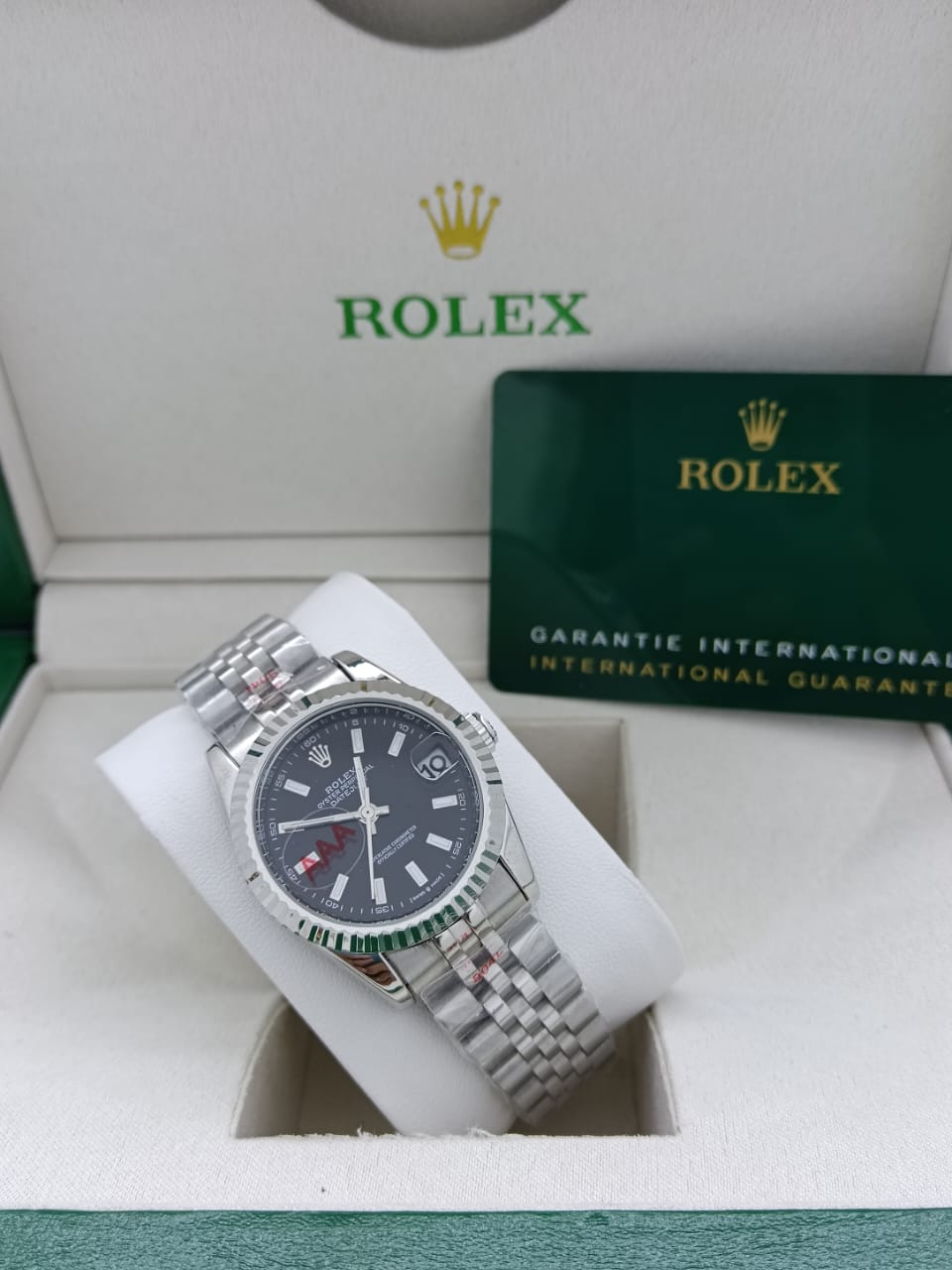
Rolex remains the most widely recognized luxury watch brand in the world because it built its reputation on a small set of models that became cultural shorthand for achievement. Founded in Geneva in 1905, the brand’s Submariner, Datejust, and GMT-Master are recognizable even to people who know nothing else about watches.
That recognition is exactly why model choice matters more with Rolex than with most brands. A Submariner reads as active and sporty, suited to someone who wants a watch that keeps up with a busy life. A Datejust reads as classic and versatile, equally at home in a boardroom or at a wedding. Both carry the same name, but they say different things on the wrist.
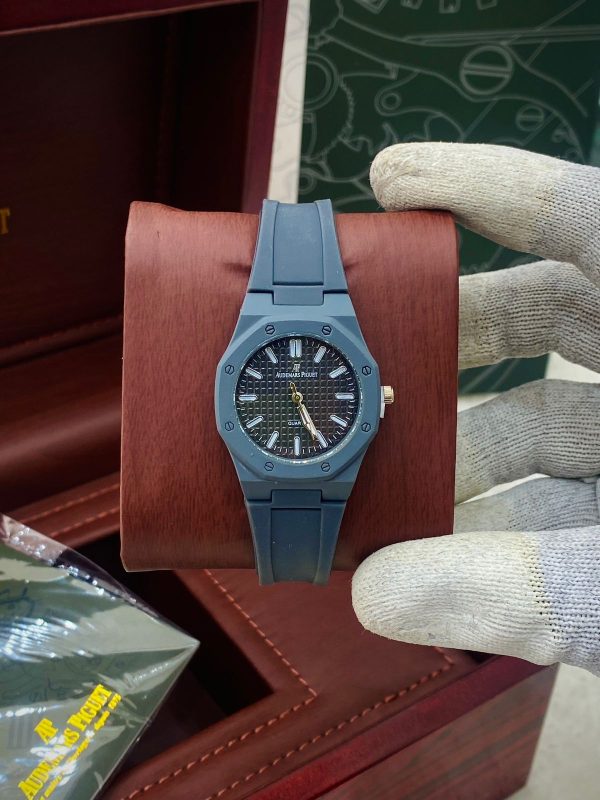
Audemars Piguet is the brand serious collectors tend to graduate toward, not the one most first-time luxury buyers start with. Its defining watch, the Royal Oak, did something unheard of when it launched in 1972: it turned stainless steel into a luxury material at a time when gold was still the only acceptable choice for a serious watch.
That history is part of why AP carries a quieter kind of prestige. It won’t get recognized by everyone in the room, but it will get recognized by anyone who actually knows watches, and for a certain kind of buyer, that’s precisely the point.
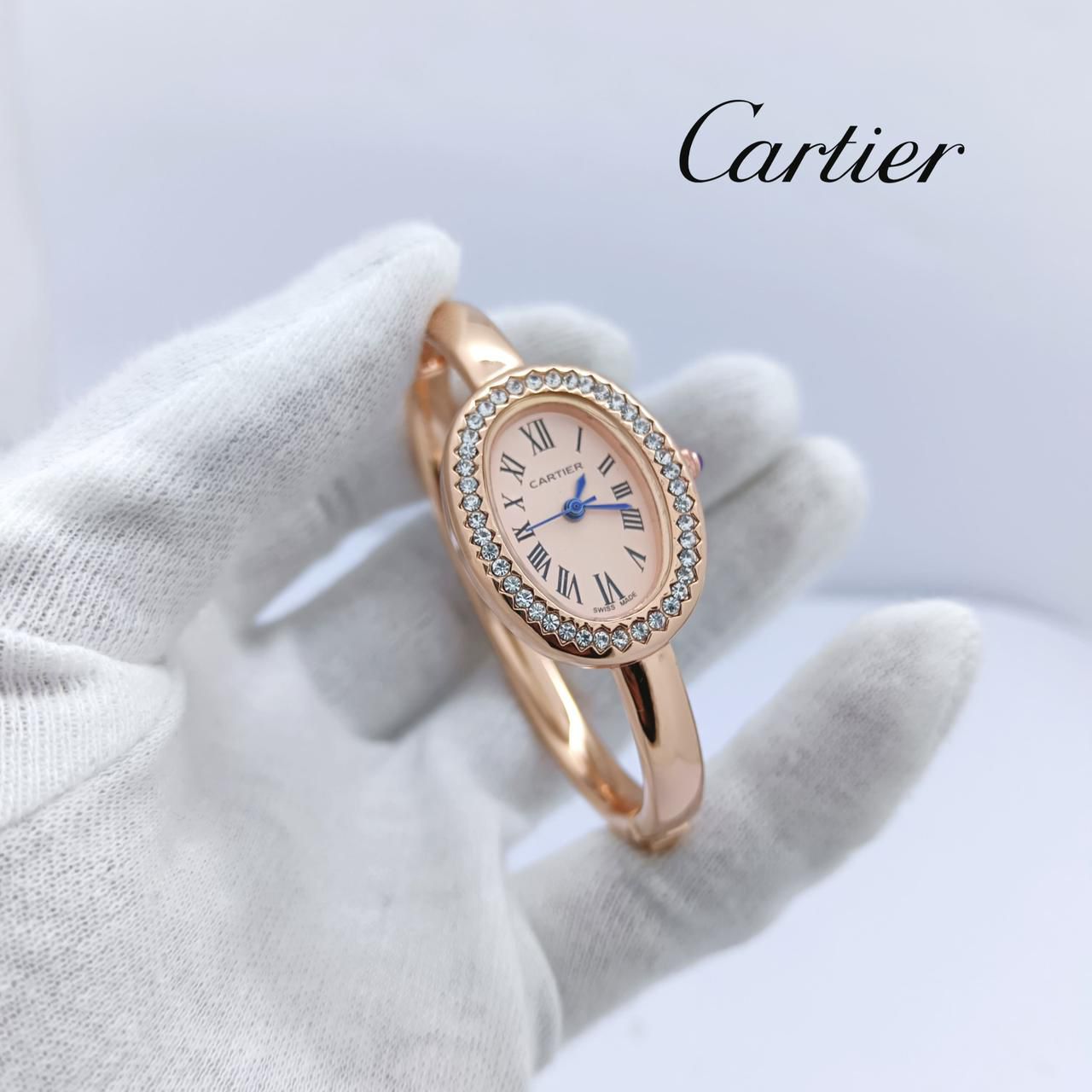
Cartier is a common gifting choice in Oman because its watches, including the Tank, the Santos, and the Ballon Bleu, are designed to look equally natural on a man’s or a woman’s wrist. Originally a Parisian jeweller rather than a watchmaker, Cartier’s identity leans architectural and design-led rather than sport-focused, which gives it broader appeal across who ends up wearing it.
That versatility, combined with instantly recognizable design language, is why Cartier shows up so often in gifting conversations rather than everyday-wear conversations.
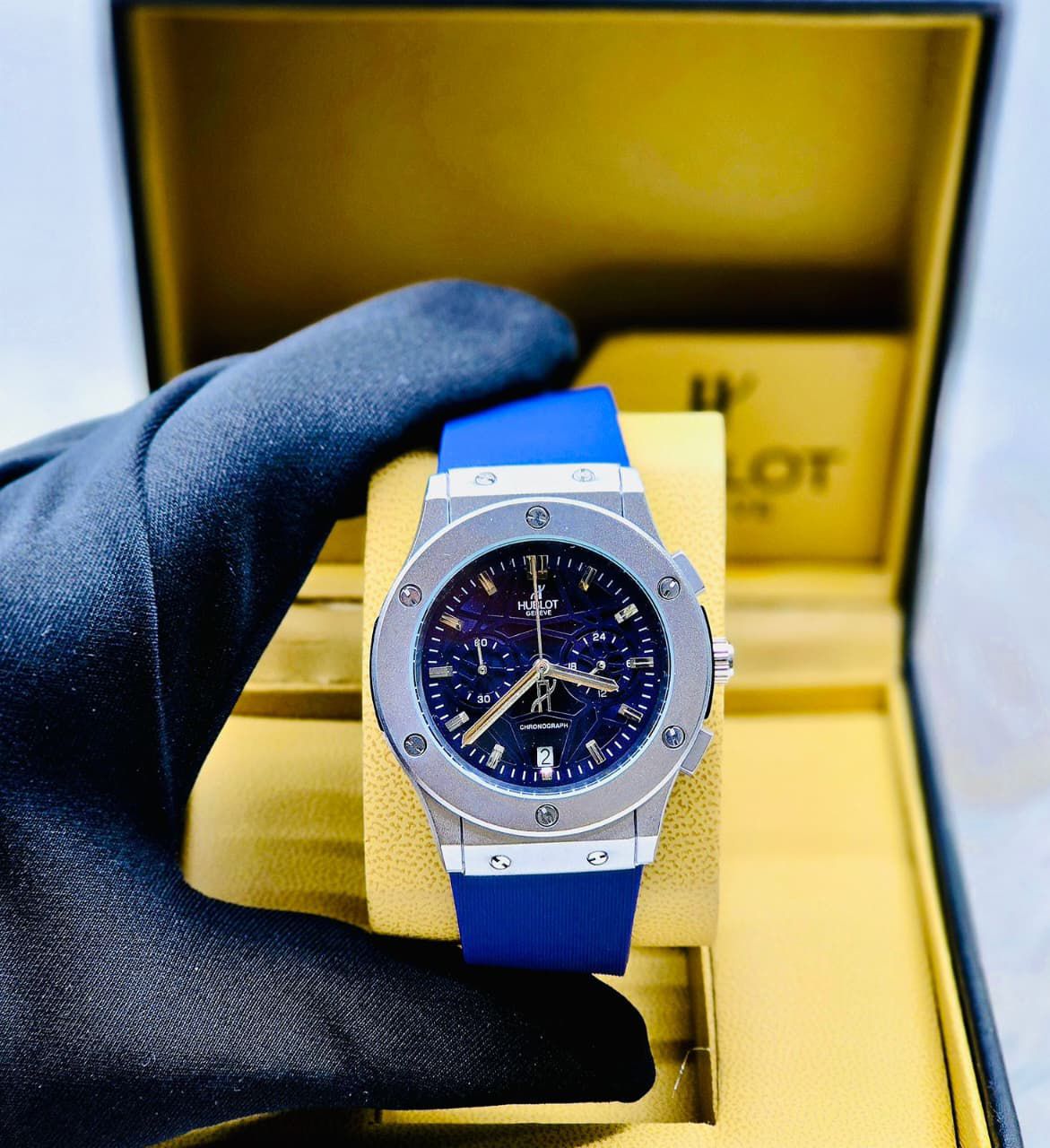
Hublot stands apart because it built its identity on mixing materials that older watchmaking houses had never touched: rubber, ceramic, and gold combined in the same piece, under what the brand calls the “Art of Fusion.” Founded in 1980, it’s the youngest name on this list, and it wears that youth deliberately.
Where Rolex plays it safe, and Audemars Piguet plays it quiet, Hublot plays loud. It’s the choice for someone who wants their watch to be the first thing people notice, not the last.

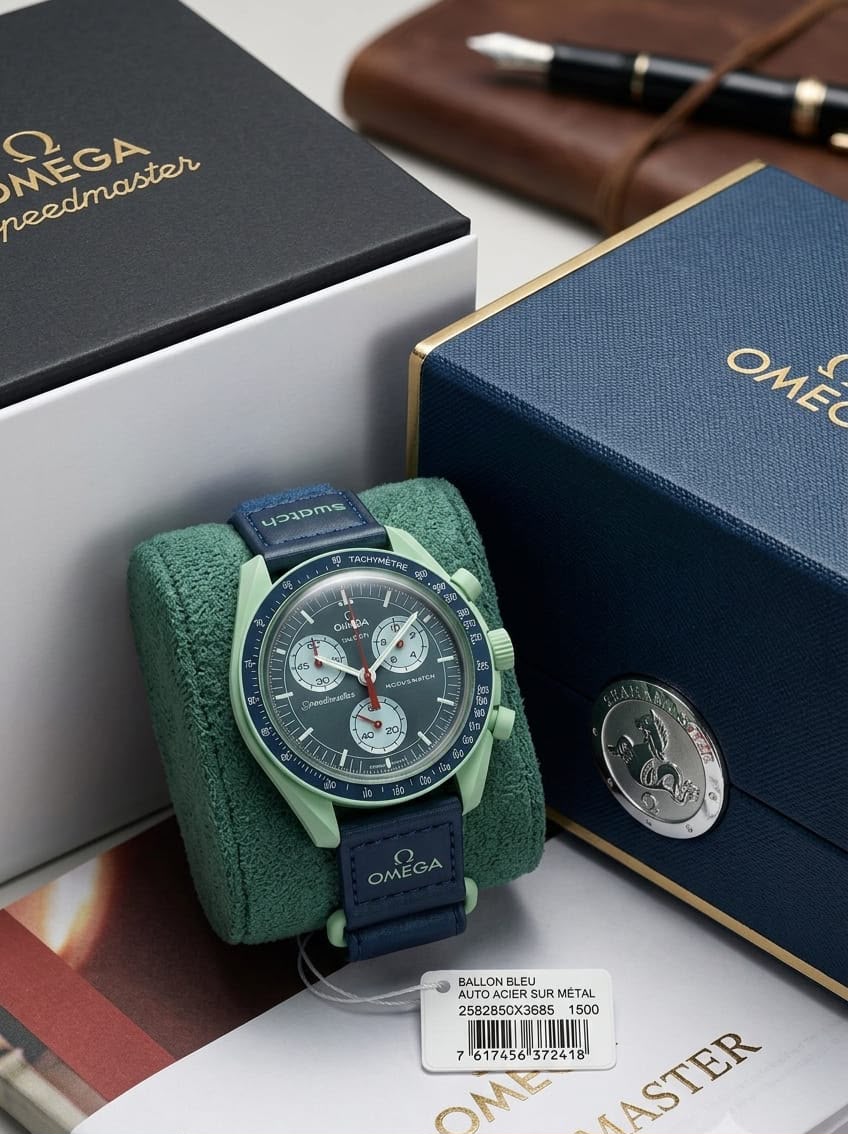
TAG Heuer and Omega both offer genuine Swiss heritage at a more accessible price point than Rolex or Audemars Piguet, but they earned that heritage in different arenas. TAG Heuer built its name in motorsport, serving as an official Formula 1 timekeeper for decades, which shows up clearly in its chronograph lineup. Omega’s defining moment came from space rather than the racetrack: the Speedmaster was the watch NASA selected for its astronauts, including the moon landing.
Both brands tend to appeal to a buyer who wants real luxury credentials without the six-figure ceiling of the top-tier houses, and the choice between them often comes down to which story means more to the person wearing it, racing or space exploration.

Rado made its name doing something almost no other Swiss watchmaker bothered with: building cases from high-tech ceramic that resists scratching for years, not just for the first few months of ownership. That focus on durability, combined with a price point that sits below most of the brands above it on this list, makes Rado a genuinely practical entry point into luxury watches.

Tissot is a good first luxury watch for someone who wants real Swiss watchmaking credentials without the cost of the higher-tier brands. The company dates back to 1853, and that heritage is reflected in the build quality of even its most affordable pieces, which makes it a common starting point for buyers stepping into proper watches for the first time.
If you’re weighing Tissot against Rado specifically, we’ve written a full comparison to help with that decision.
There is no single best luxury watch brand, only the right one for what you’re trying to say. If you want something universally recognized, Rolex is the obvious answer. If you want something collectors will appreciate at sight, look at Audemars Piguet. For a gift that works across genders, Cartier is hard to beat. For something bold, Hublot delivers. If you want heritage at a more accessible price, TAG Heuer, Omega, Rado, and Tissot all deliver real Swiss watchmaking credentials without the highest price ceiling.
Explore the full range of luxury watch brands available at Oman Trends, and if you’re still not sure where to start, our team is happy to help you narrow it down.

Style Editor, OmanTrends